License: Public Domain
-
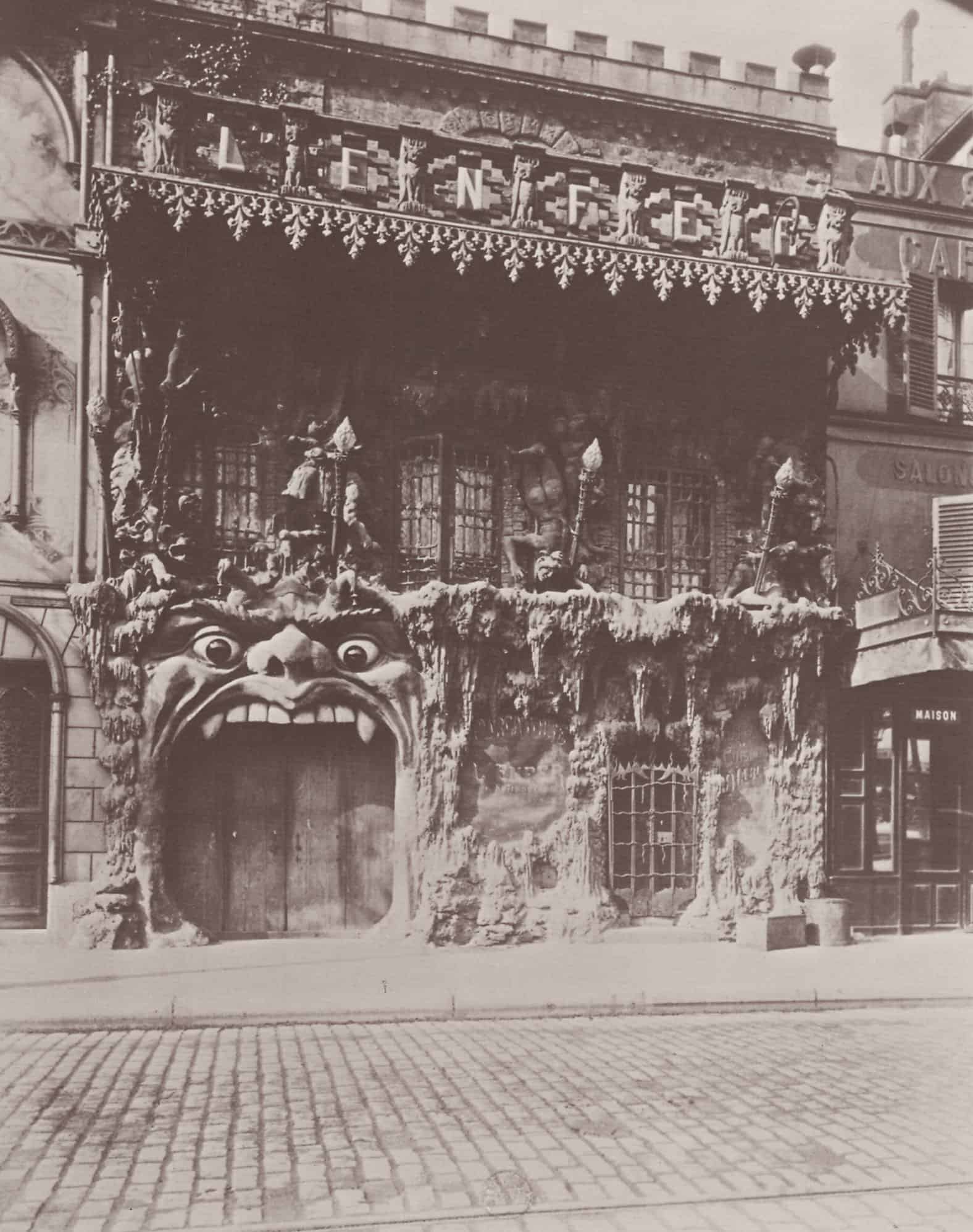
Hell’s Gift Shop (1890s)
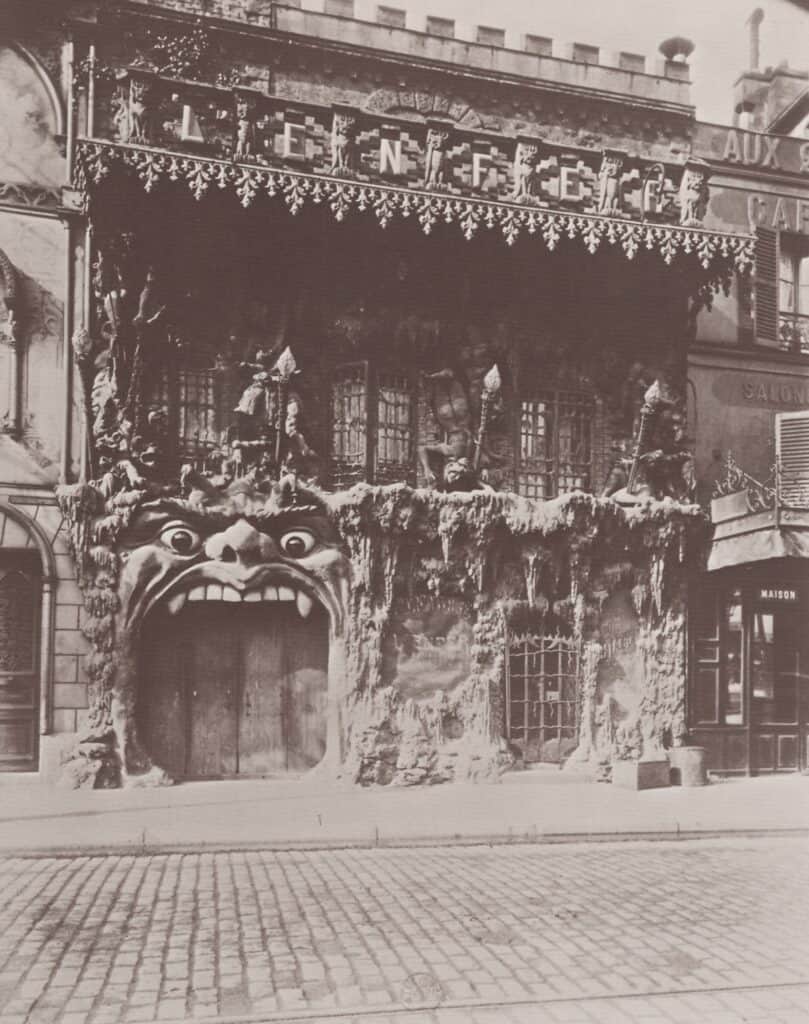 Attributed to: Eugène Trutat (1840-1910)Century: 19th CenturyDecade: 1890sMedia Type: PhotoSource: ZenoLicense: Public Domain
 -
Glasses for Reading in Bed (1936)
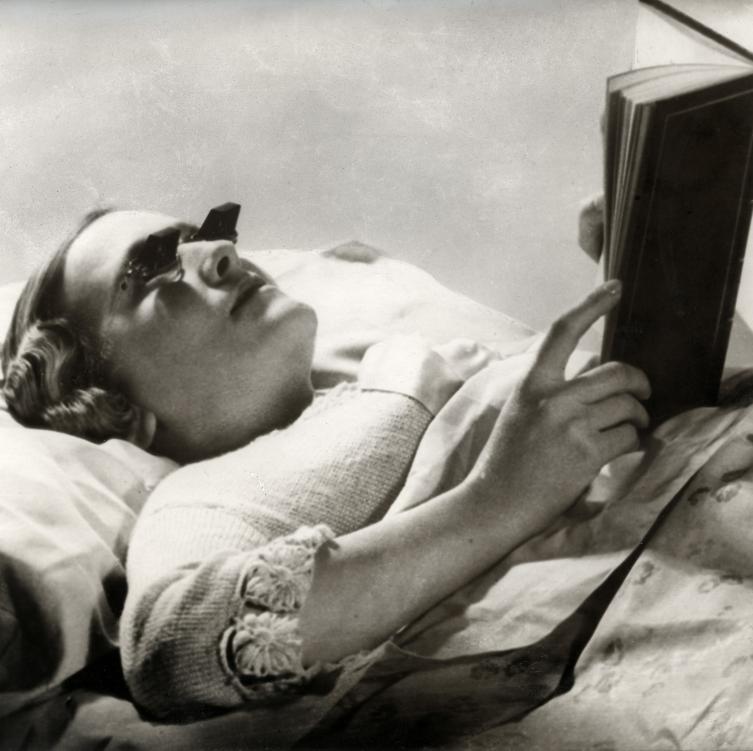 Attributed to: UnknownCentury: 20th CenturyDecade: 1930sMedia Type: PhotoSource: Nationaal ArchiefLicense: Public Domain
 -
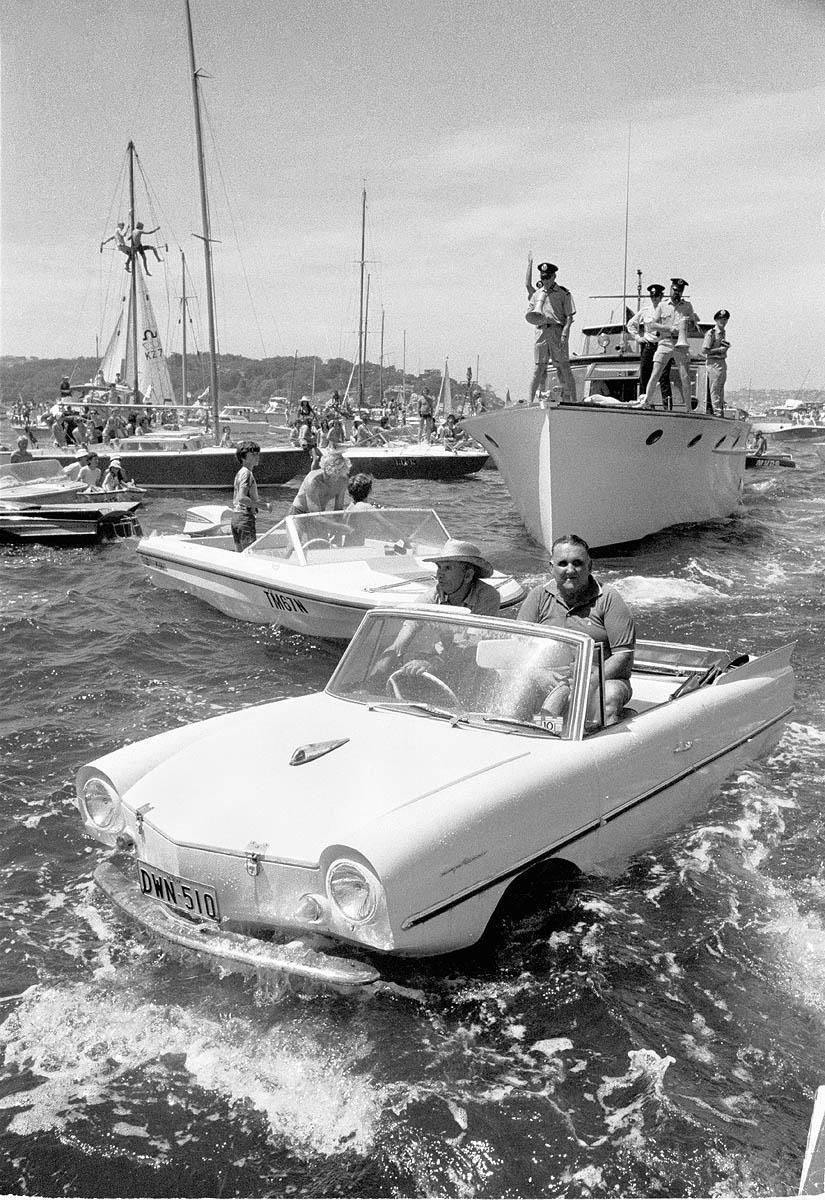
Car Boat (1971)
“The Amphicar was a German vehicle manufactured 1960-1968. It was the first commercially produced amphibious car and used a Triumph Herald engine over the rear axle to power the wheels and twin propellers. In the water, the front wheels acted as rudders. The body was steel.” – Source.
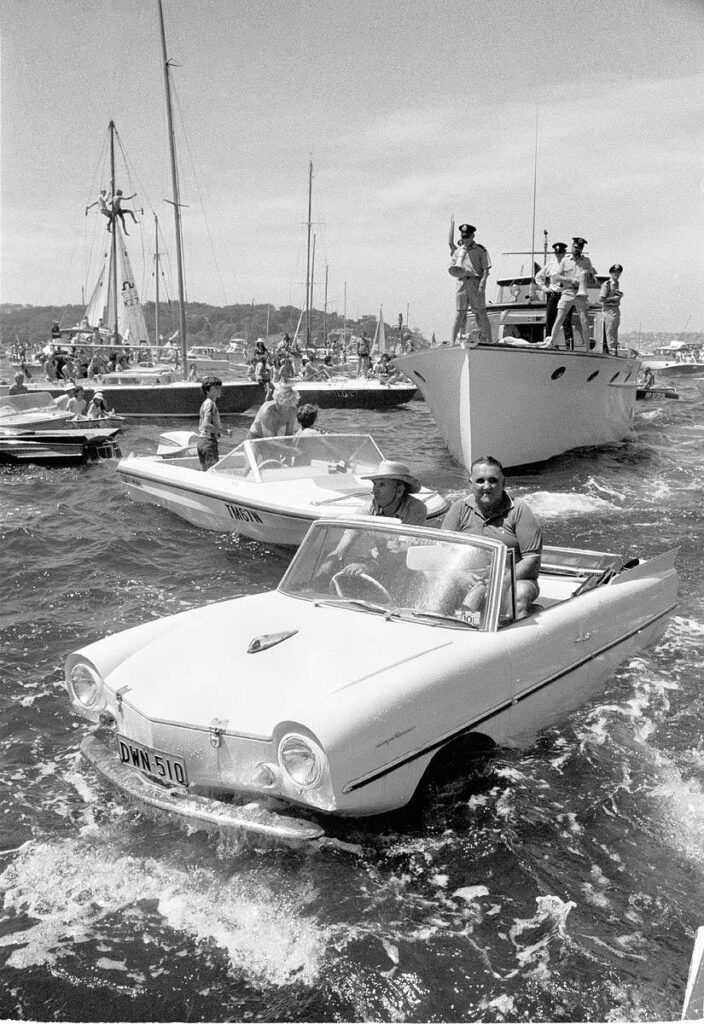 Attributed to: UnknownCentury: 20th CenturyDecade: 1970sMedia Type: PhotoSource: State Library of New South WalesLicense: Public Domain
 -
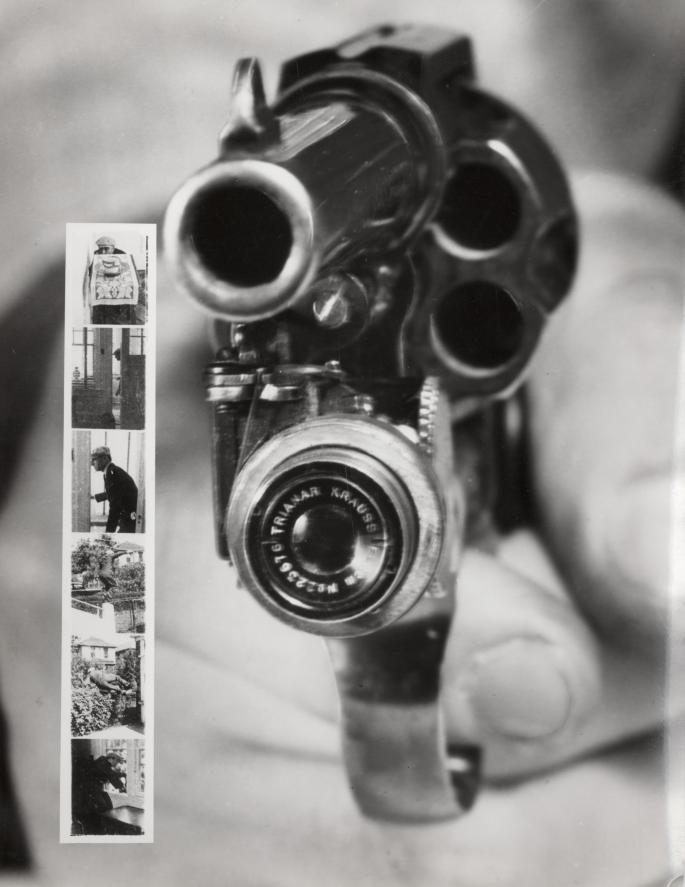
Revolver Camera (1938)
Attributed to: UnknownCentury: 20th CenturyDecade: 1930sMedia Type: PhotoSource: Nationaal ArchiefLicense: Public Domain -
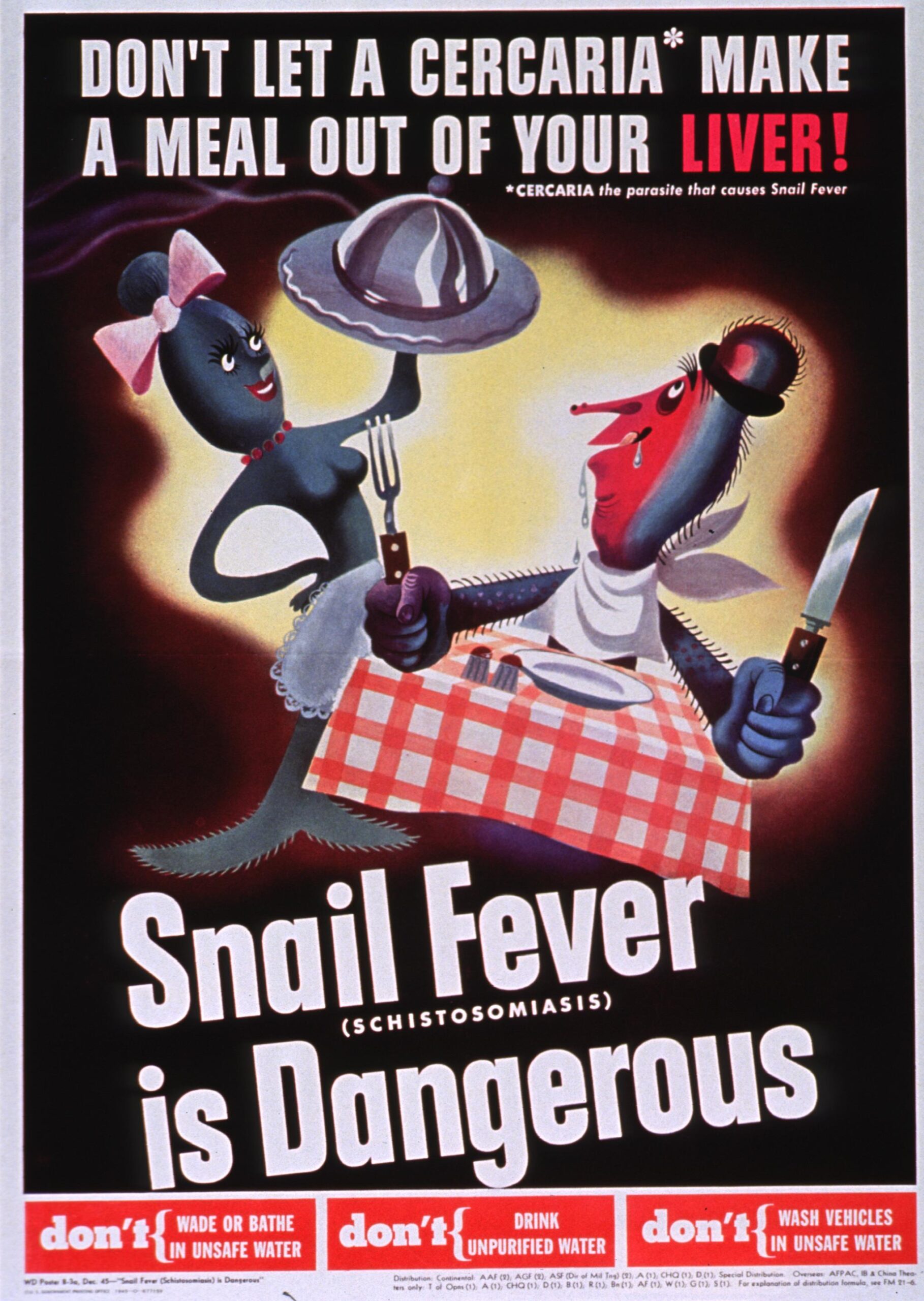
Snail Fever (1945)
Such a sweet
parasitecouple! Wait.. what’s in that dish?!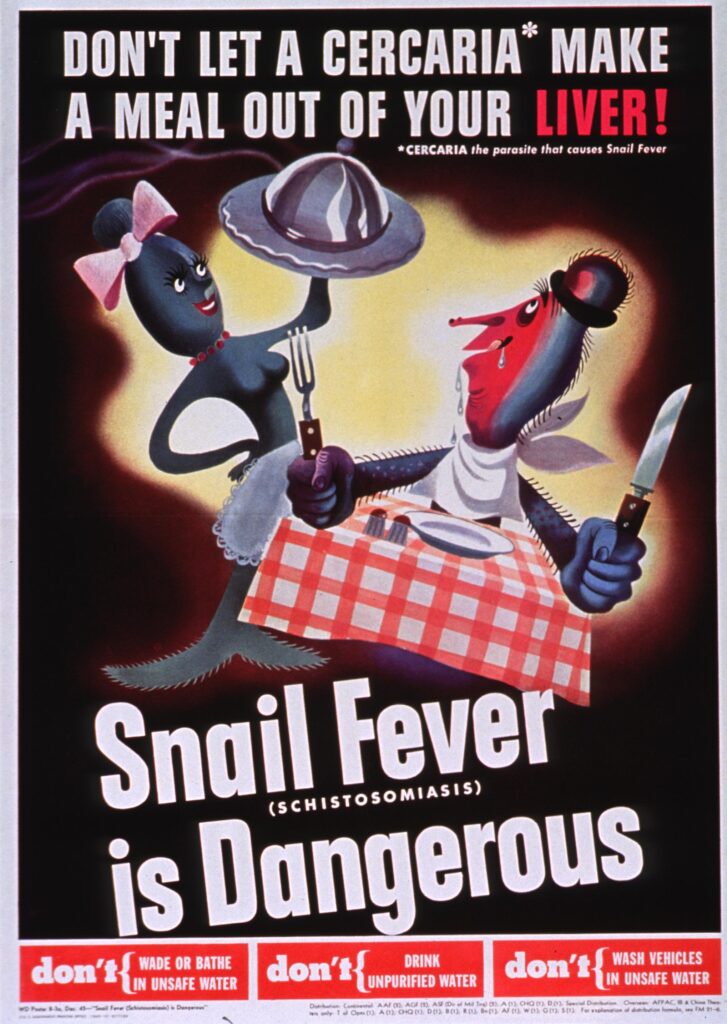
"Don't let a Cercaria* make a meal out of your liver!
*Cercaria the parasite that causes Snail Fever
Snail Fever (Schistosomiasis) is dangerous
Don't wad or bathe in unsafe water
Don't drink unpurified water
Don't wash vehicles in unsafe water"Attributed to: War DepartmentCentury: 20th CenturyDecade: 1940sMedia Type: ArtLicense: Public Domain -
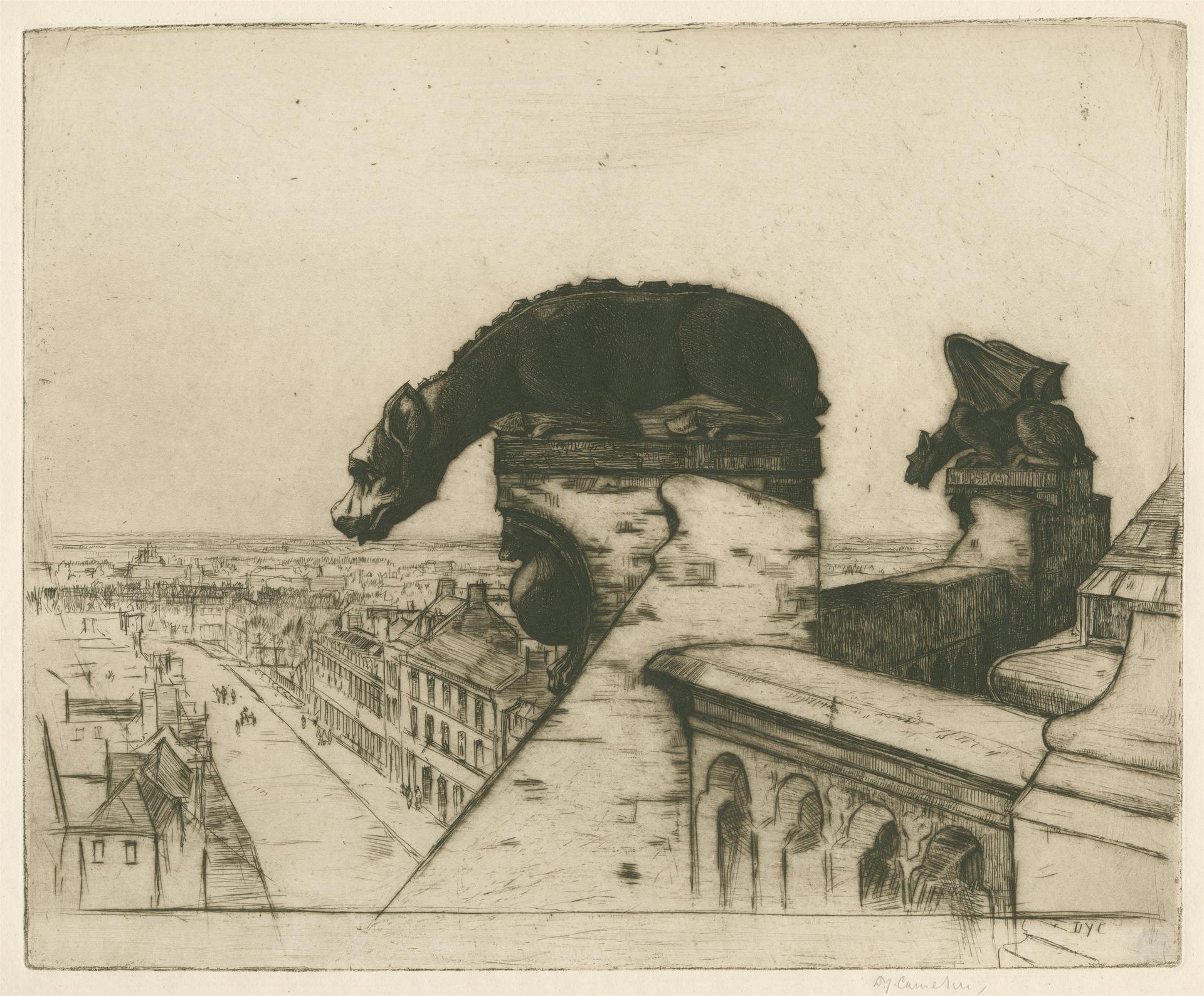
The Wingless Chimera (1911)
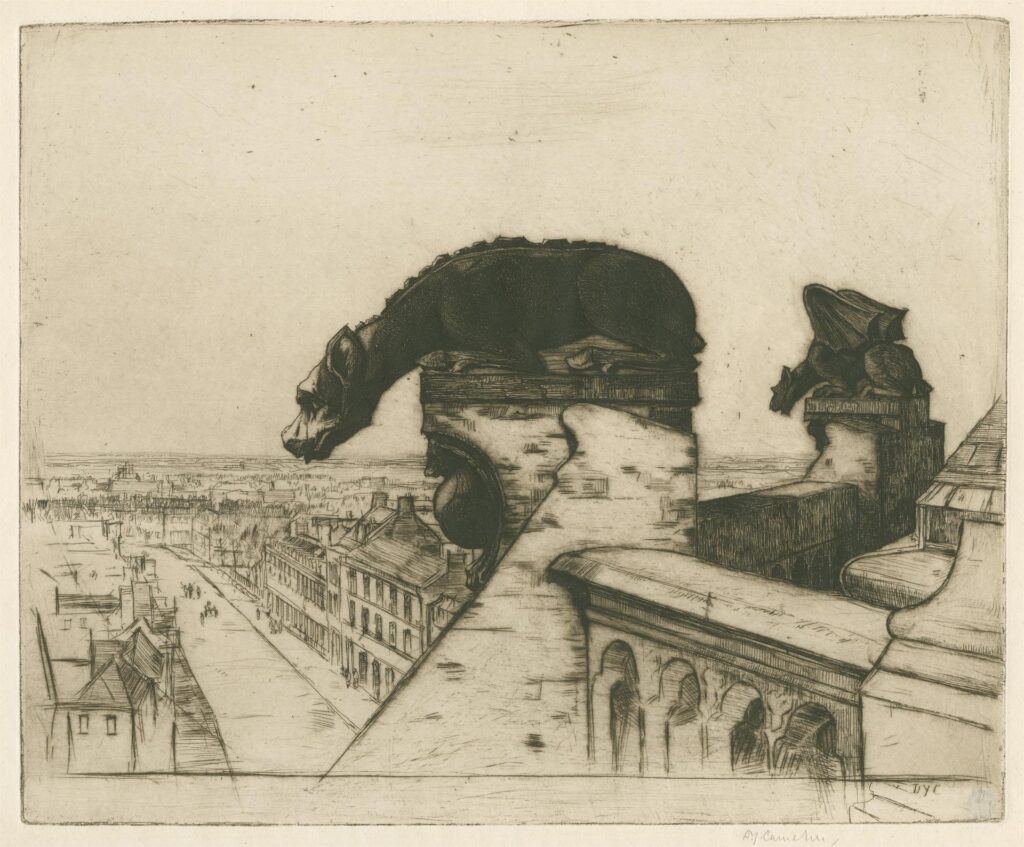 Attributed to: David Young Cameron (1865-1945)Century: 20th CenturyDecade: 1910sMedia Type: ArtSource: Yale Center For British ArtLicense: Public Domain
 -
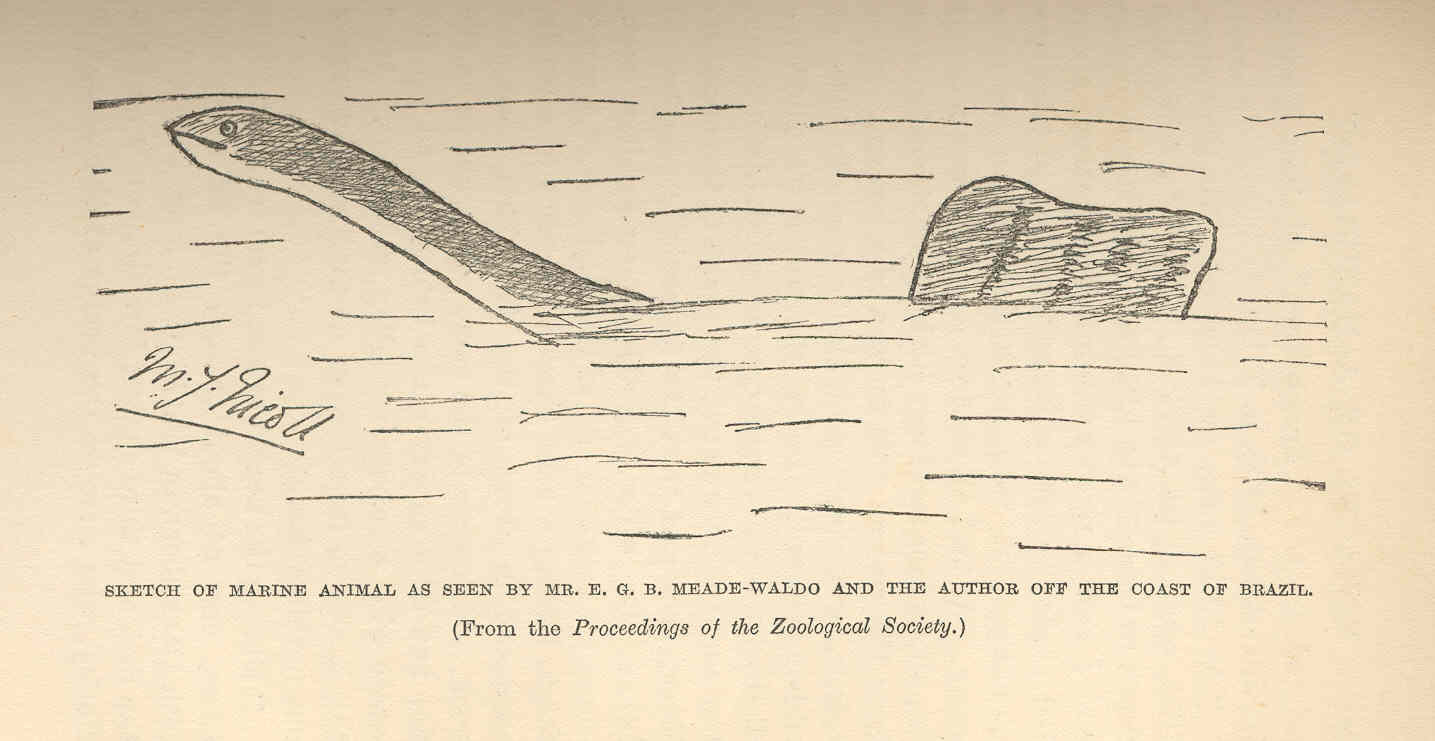
Marine Animal ‘Seen’ of the Coast of Brazil – Via the Zoological Society (1908)
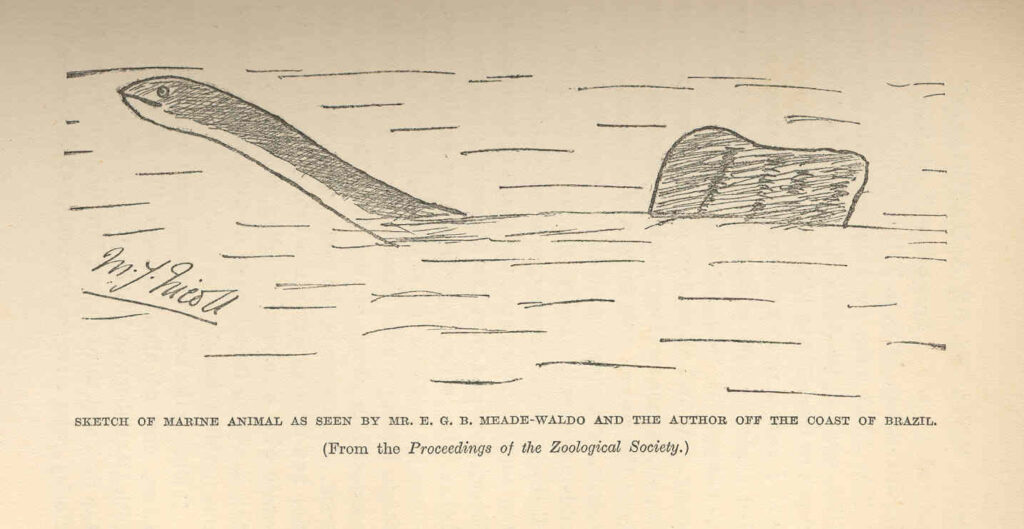 Attributed to: Michael John Nicoll (1880-1925)Century: 20th CenturyDecade: 1900sMedia Type: ArtSource: University Of WashingtonLicense: Public Domain
 -
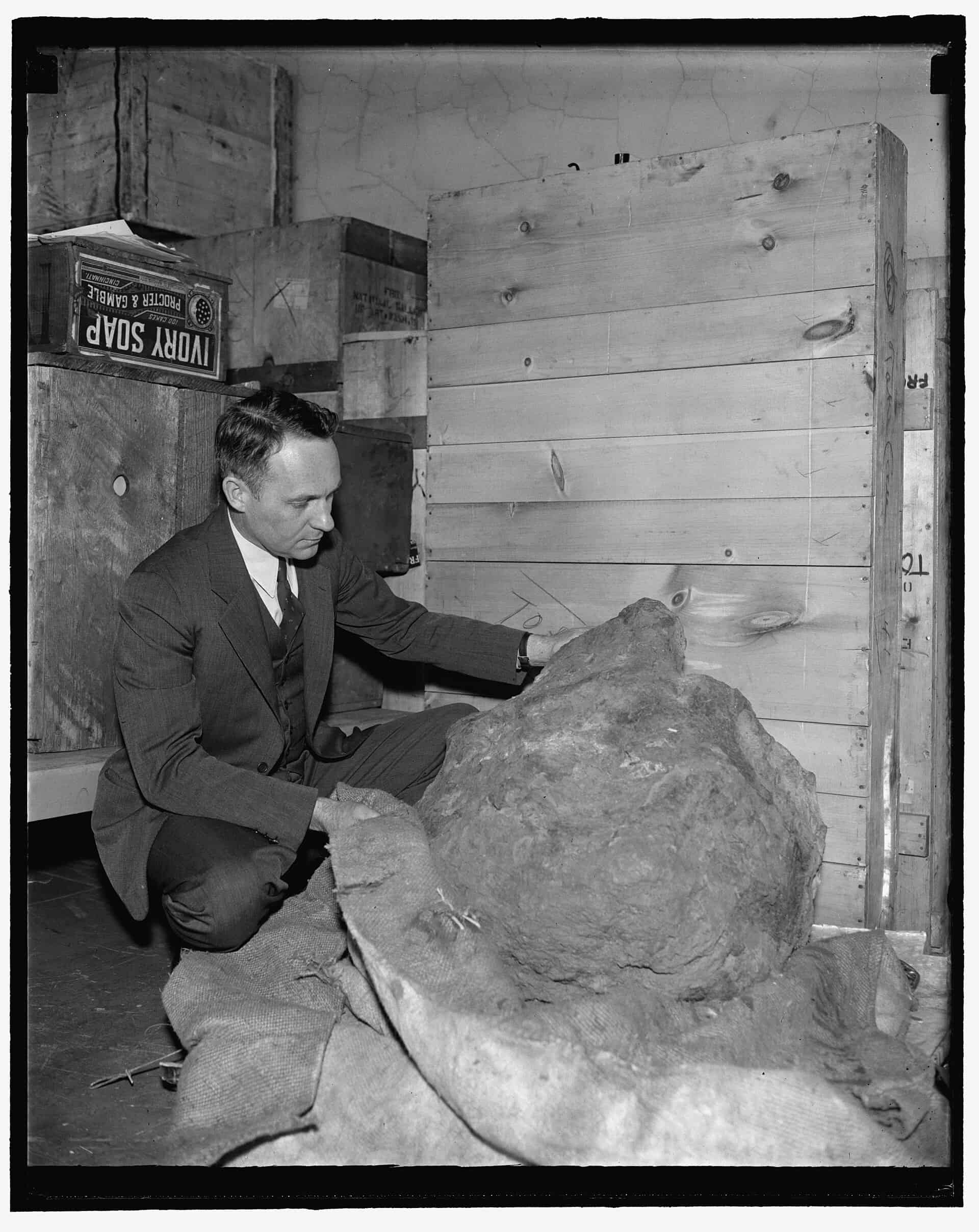
Fragment of a Shooting Star (1939)
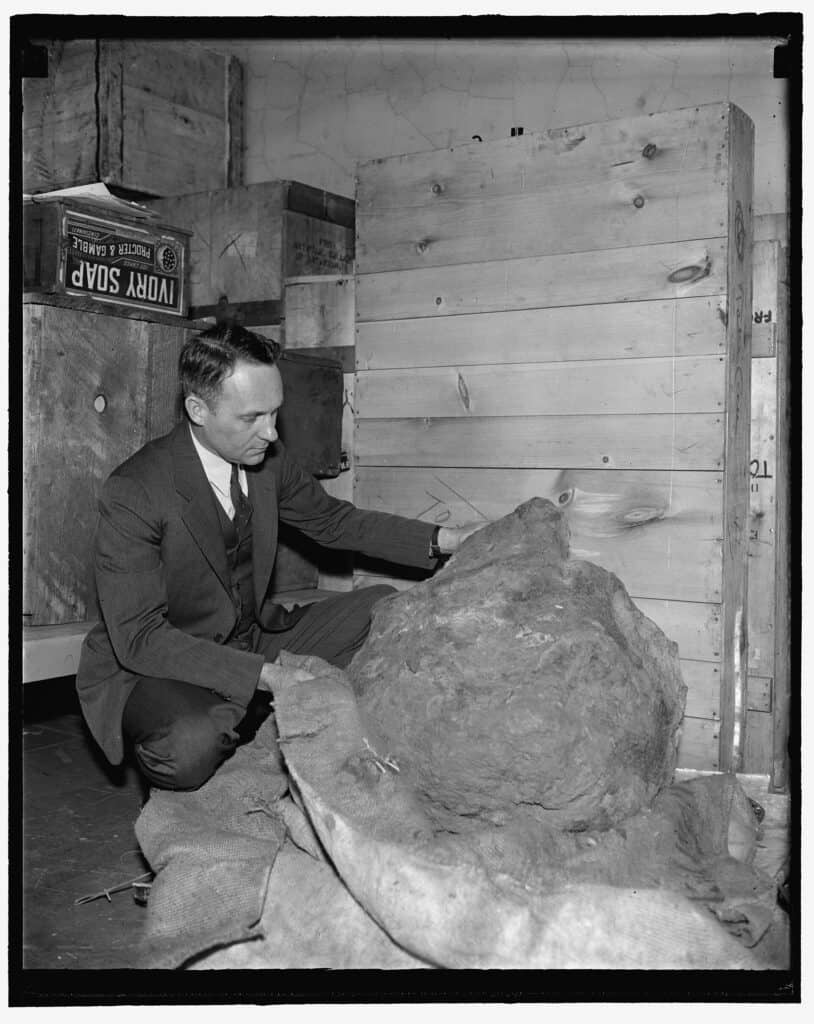 Attributed to: Harris & EwingCentury: 20th CenturyDecade: 1930sMedia Type: PhotoSource: Library of CongressLicense: Public Domain
 -
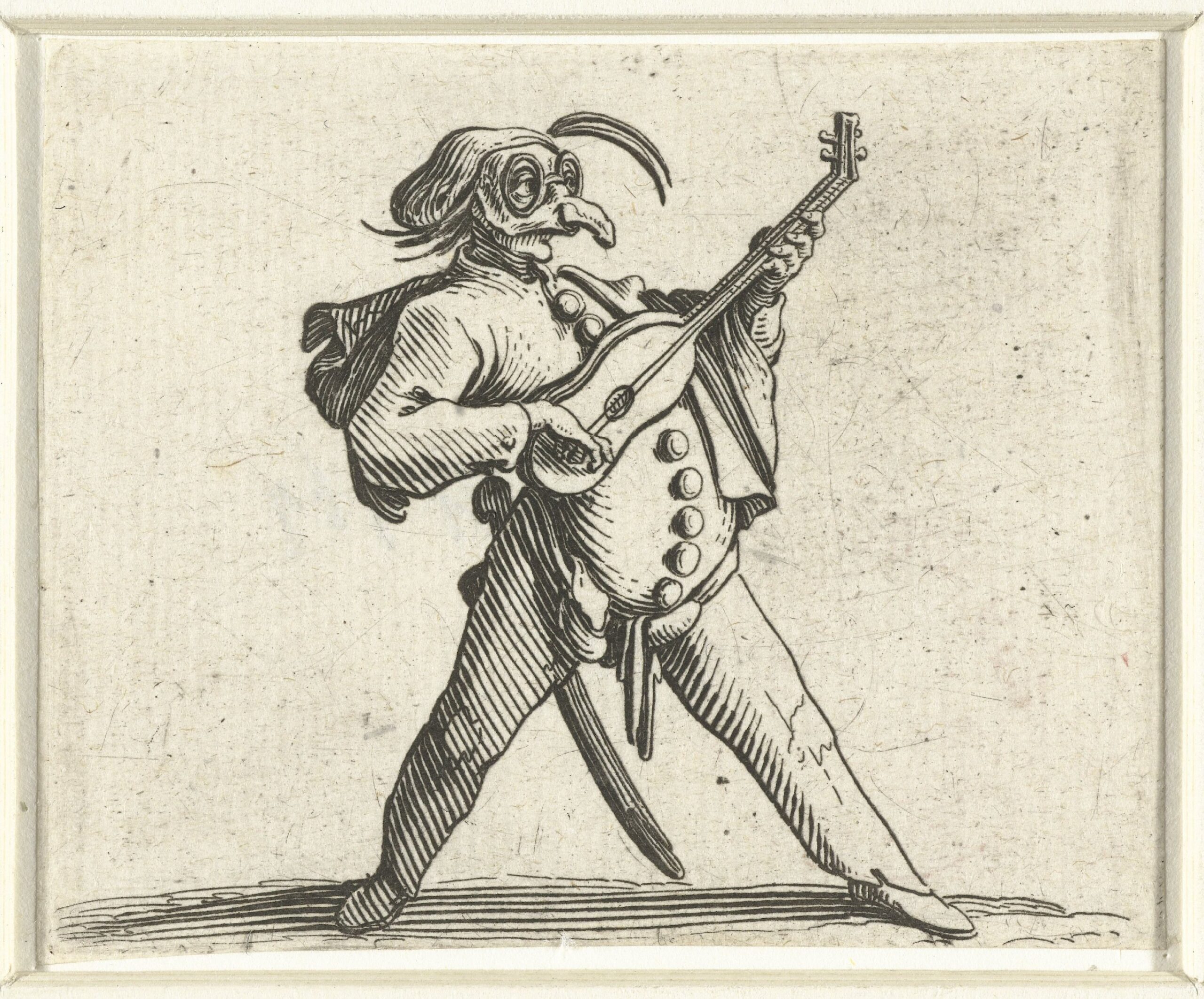
The Art of Comedy – A Mysterious Performer (17th Century)
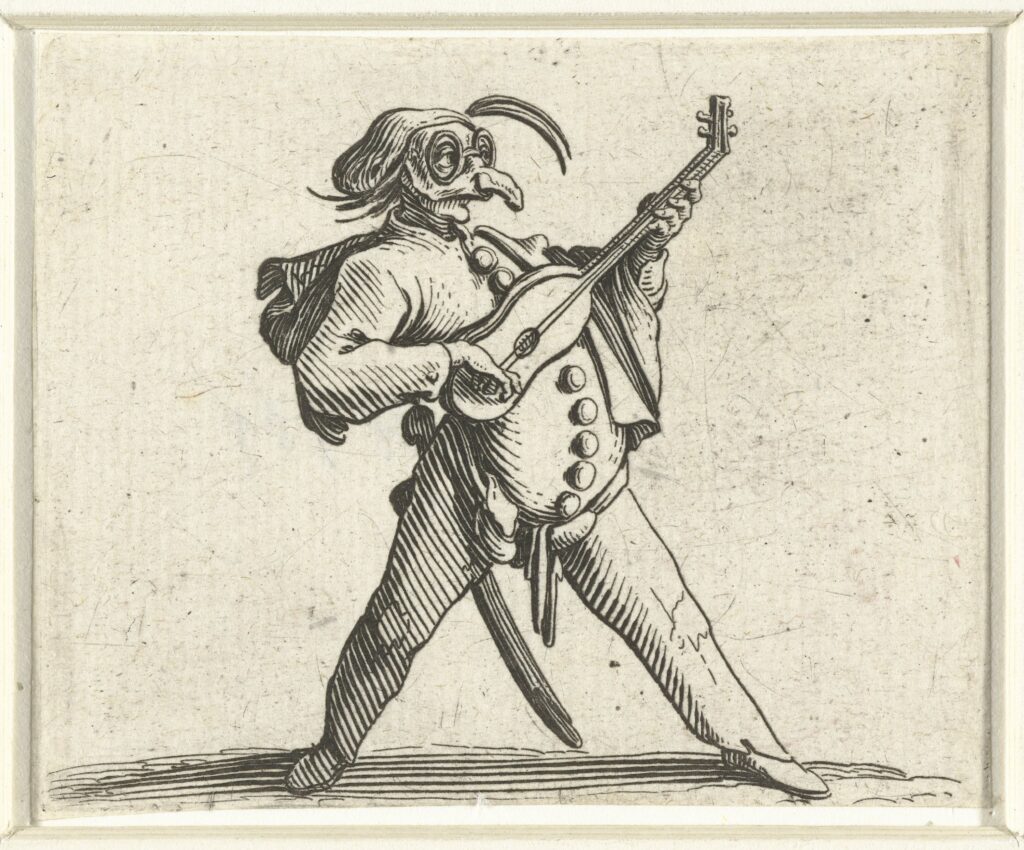 Attributed to: Jacques Callot (1592-1635)Century: 17th CenturyMedia Type: ArtSource: RijksmuseumLicense: Public Domain
 -
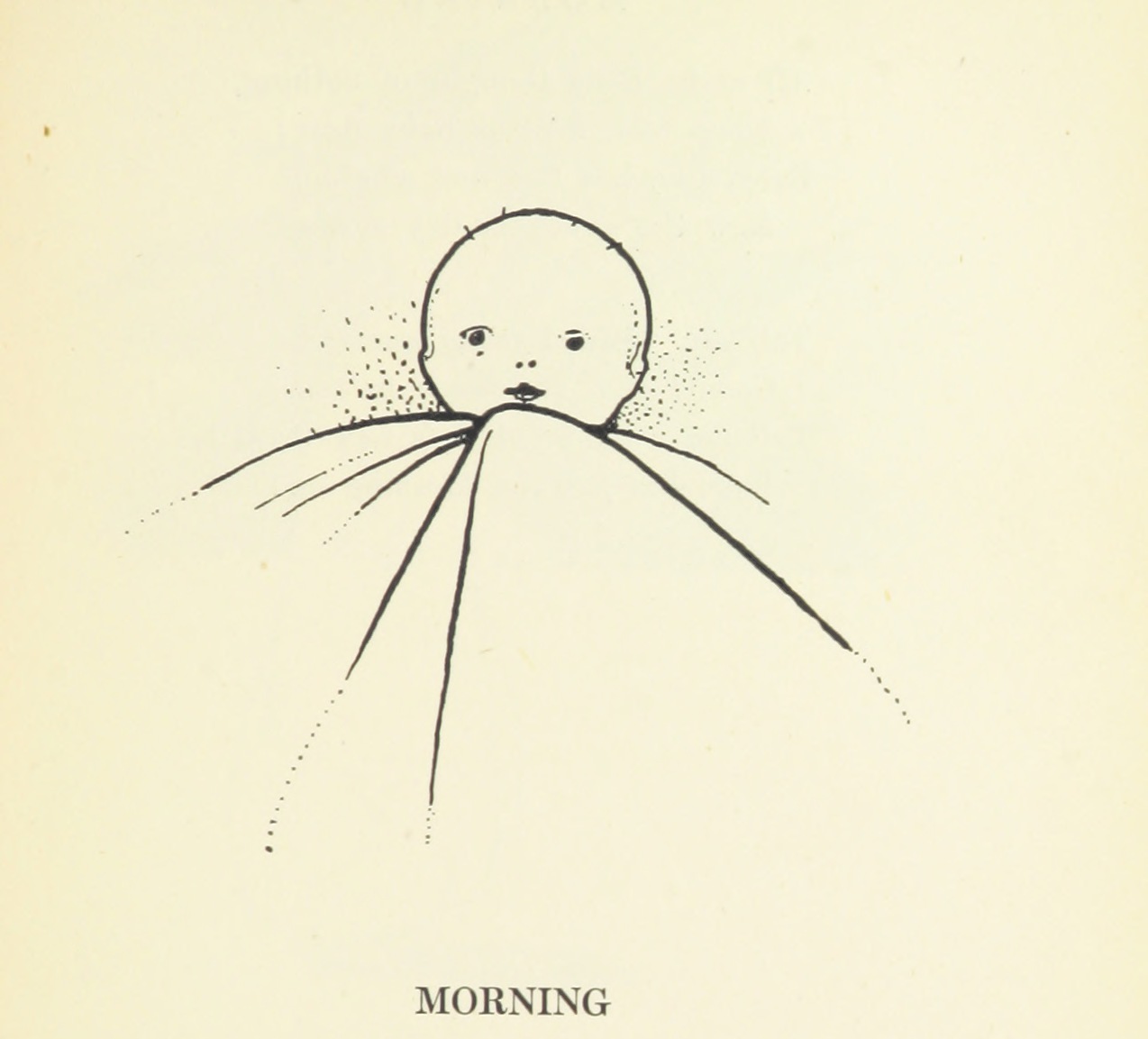
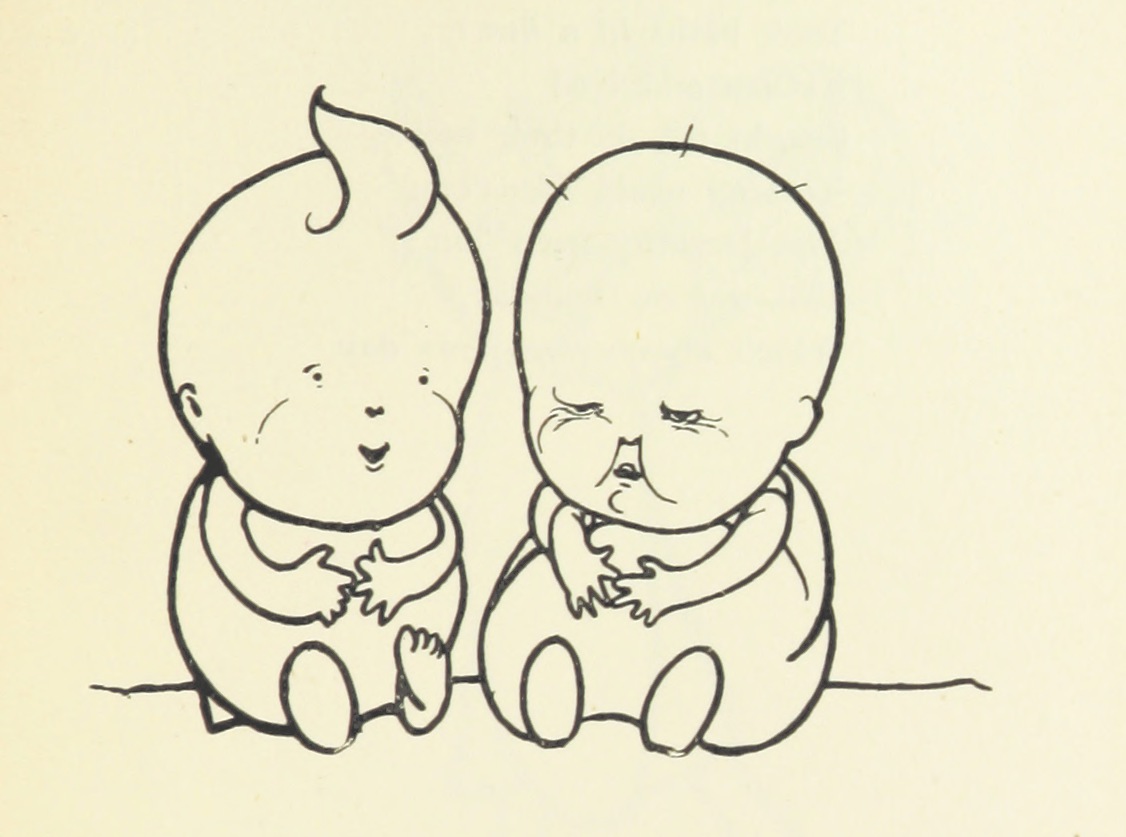
Not a Morning Person (1889)
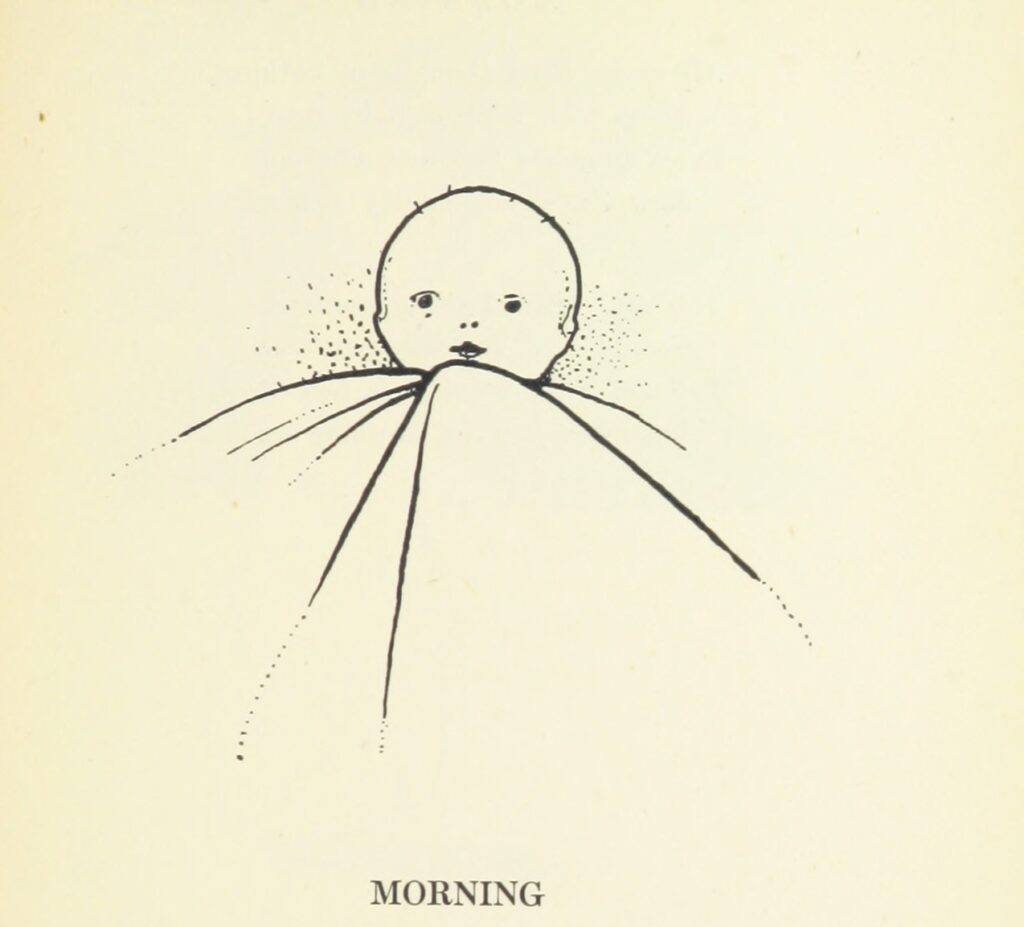
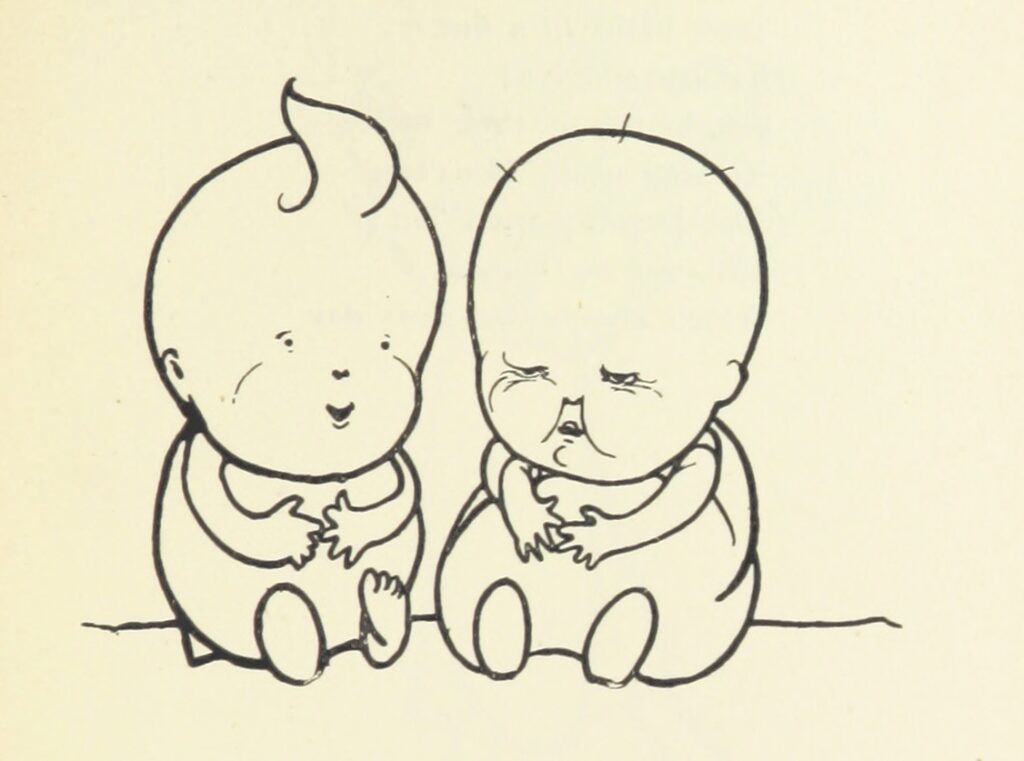 Attributed to: Charles Robinson (1870-1937)Century: 19th CenturyDecade: 1880sMedia Type: ArtSource: British LibraryLicense: Public Domain